Enjoy six days in Japan with stops in Tokyo, Kyoto, and Osaka. Begin your adventure with two days in Kyoto, a day trip to Osaka, then three days in Tokyo. Here are some of the main attractions to visit in each location.
This post contains affiliate links. When you click on some of these links, I may earn a small commission, at no extra cost to you, but it helps to run this blog. Thank you for stopping by!
KYOTO (2 DAYS)
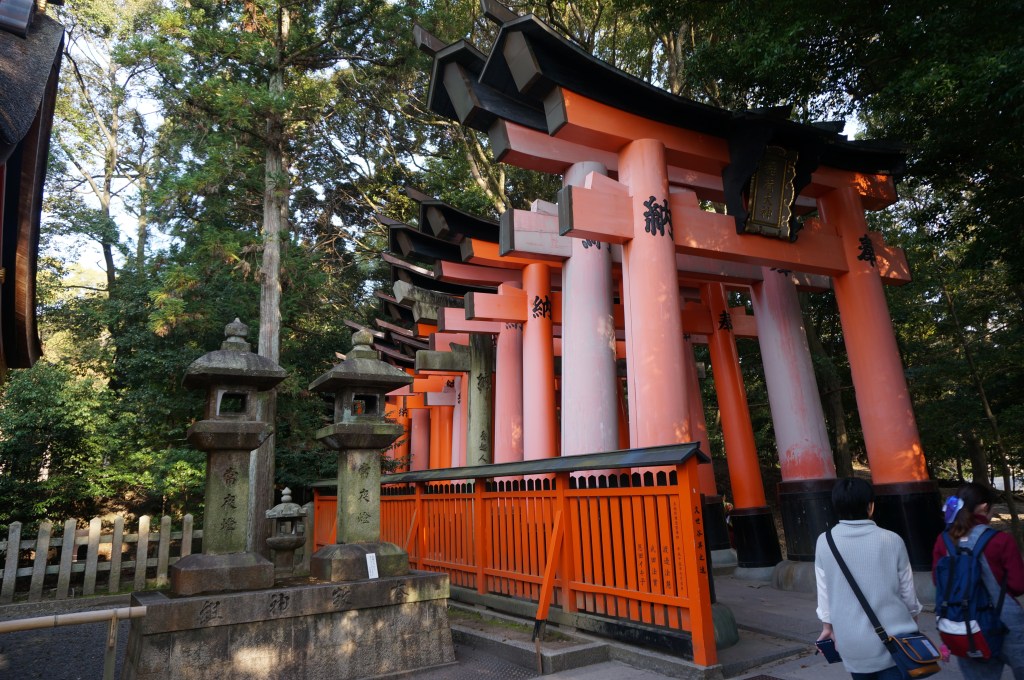
FUSHIMI INARI TAISHA
Fushimi Inari Taisha is located in southern Kyoto and known for its thousands of torii gates. The torii is a traditional Japanese gate that can be found at Shinto shrines. Inari is the god of rice, but merchants and manufacturers have traditionally worshiped Inari as the patron of business. Each of the torii at Fushimi Inari Taisha has been donated by a Japanese business.
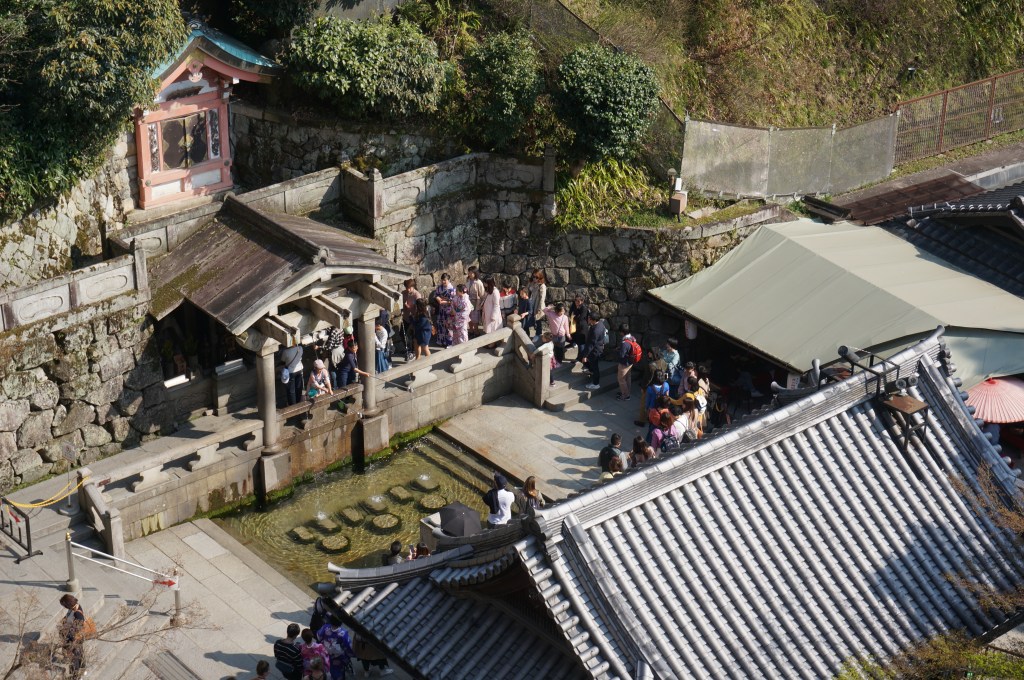
KIYOMIZU-DERA “PURE WATER TEMPLE
Kiyomizu-dera means “Pure Water Temple” and is part of the Historic Monuments of Ancient Kyoto UNESCO World Heritage Site. It is one of the most famous temples in Kyoto. There is a nice walking path that takes you to the base where you can drink pure water from the Otowa Waterfall.
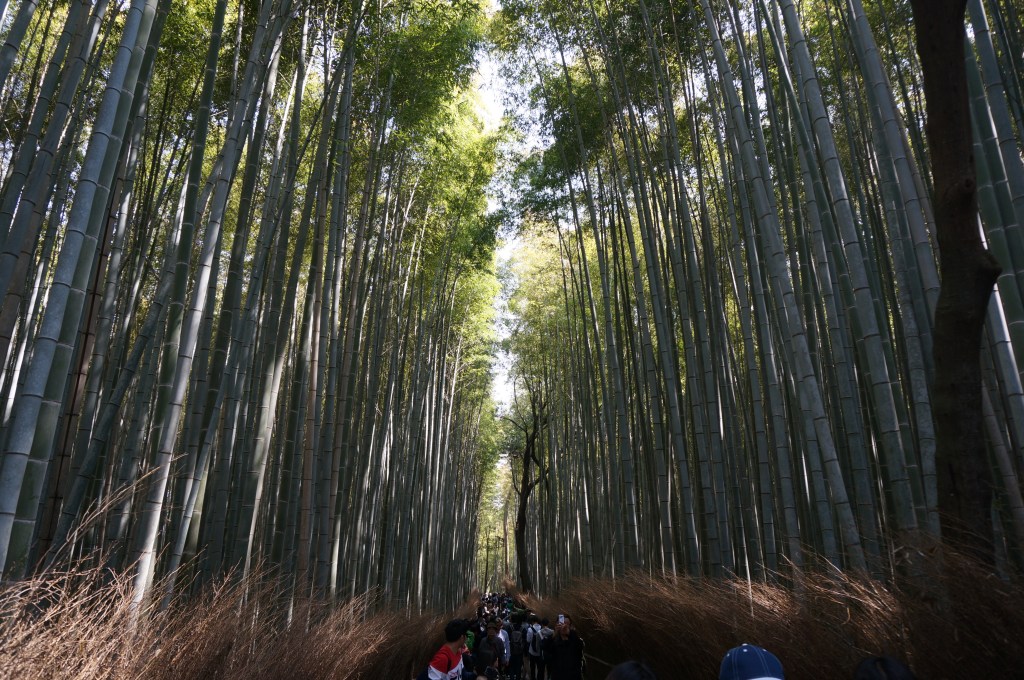
ARASHIYAMA BAMBOO FOREST
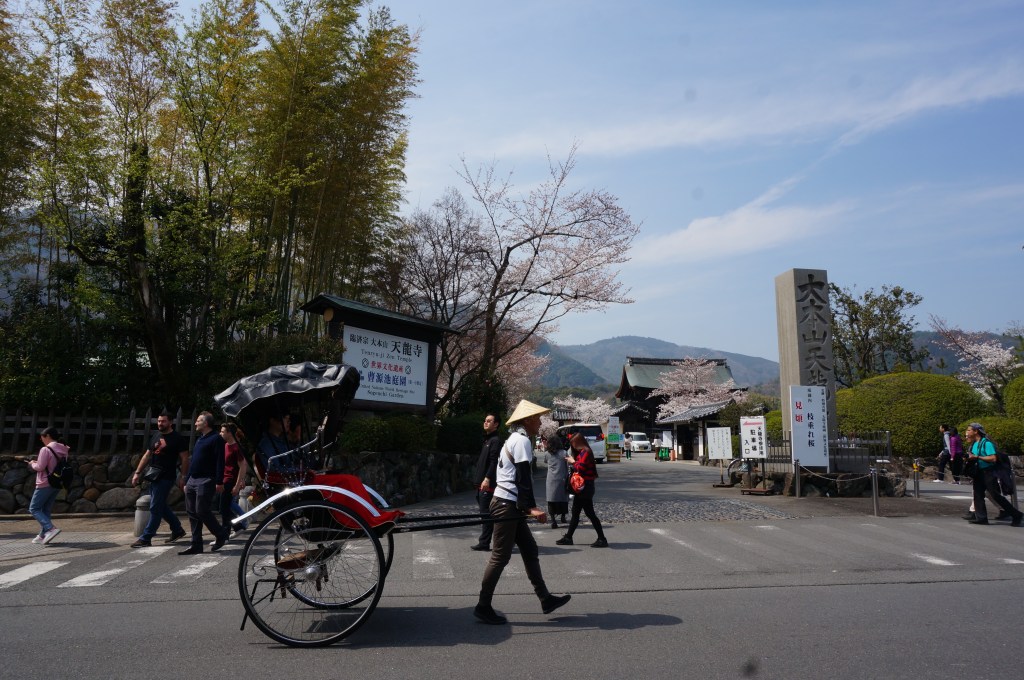
This is the iconic bamboo forest in Kyoto. You can also take a rickshaw ride which takes you through the bamboo forest and around Arashiyama. Try to get there early if you can as it can get very crowded.
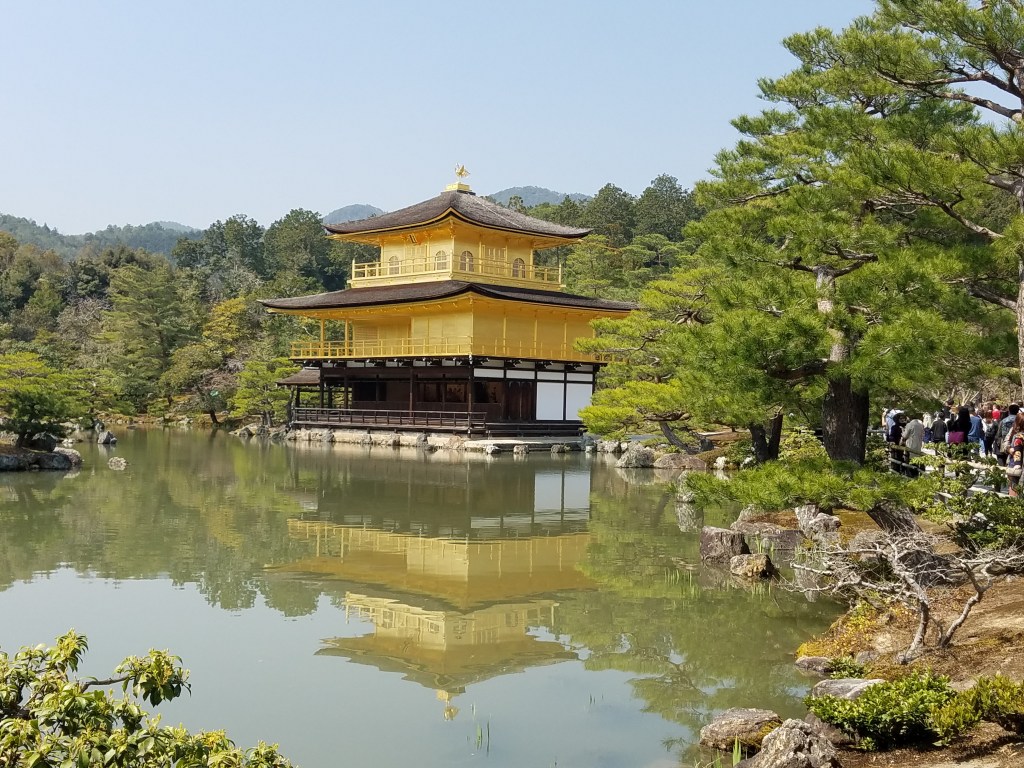
KINKAKU-JI (GOLDEN PAVILION)
Kinkaku-ji is a Zen Buddhist temple in northern Kyoto whose top two floors are completely covered in gold-leaf coating.
OSAKA (1 DAY)
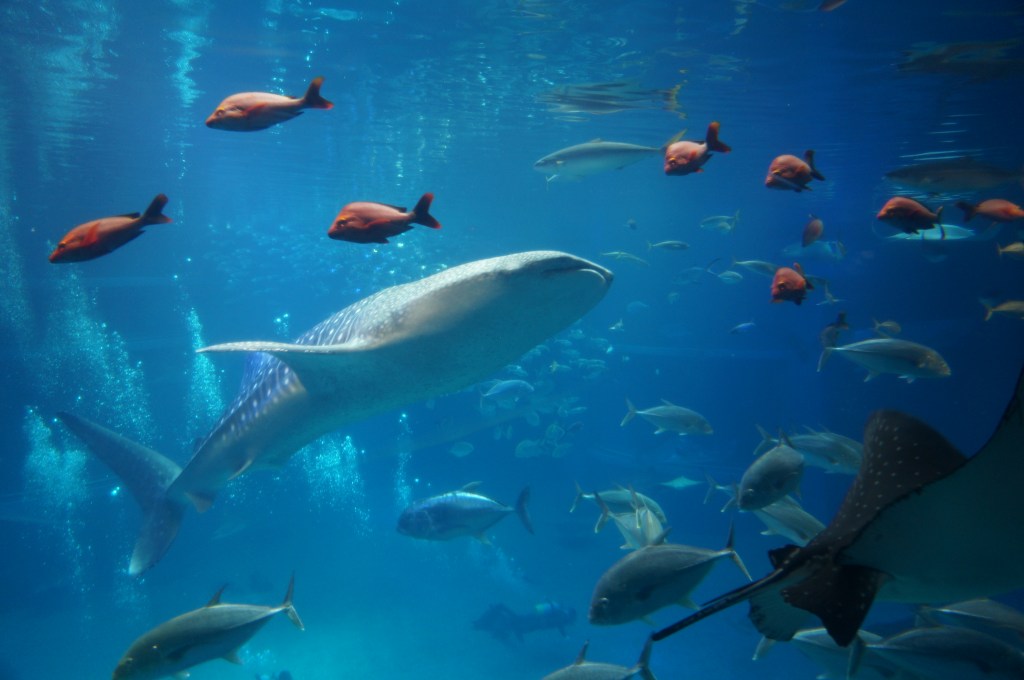
OSAKA AQUARIUM
The Osaka Aquarium is one of the largest aquariums in the world. It is eight stories and features the infamous whale shark as well as an indoor reef where you can touch small sharks and stingrays.
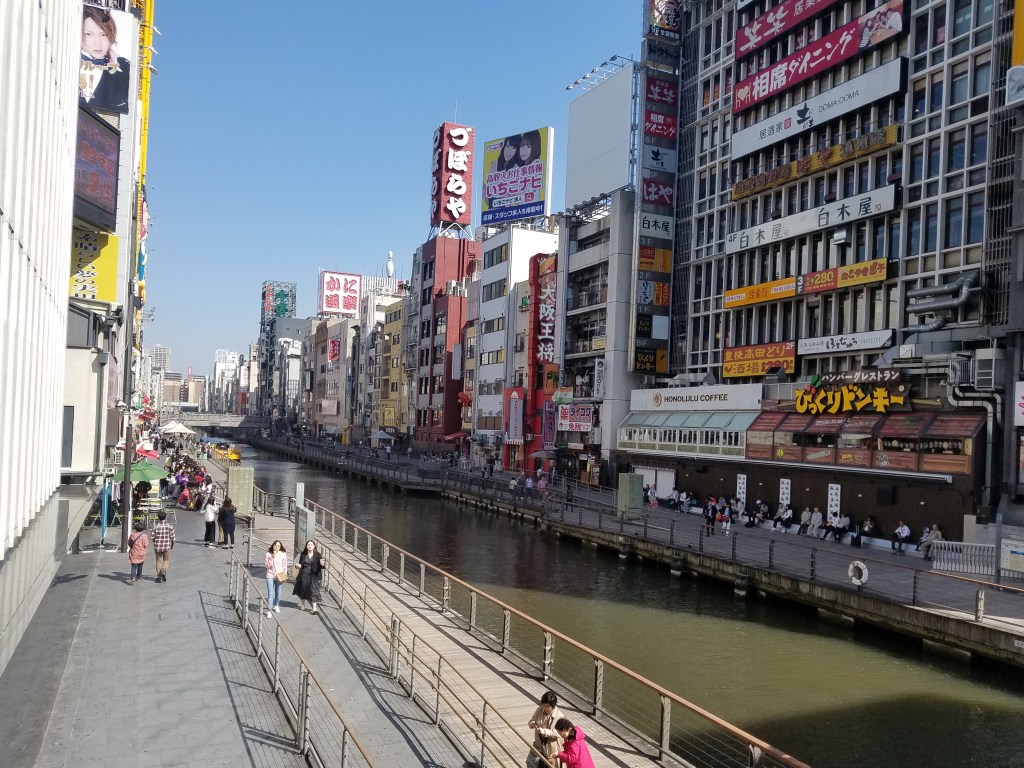
DOTONBORI
Dotonbori is Osaka’s most famous tourist destination known for its neon lights, shopping, restaurants, and entertainment.
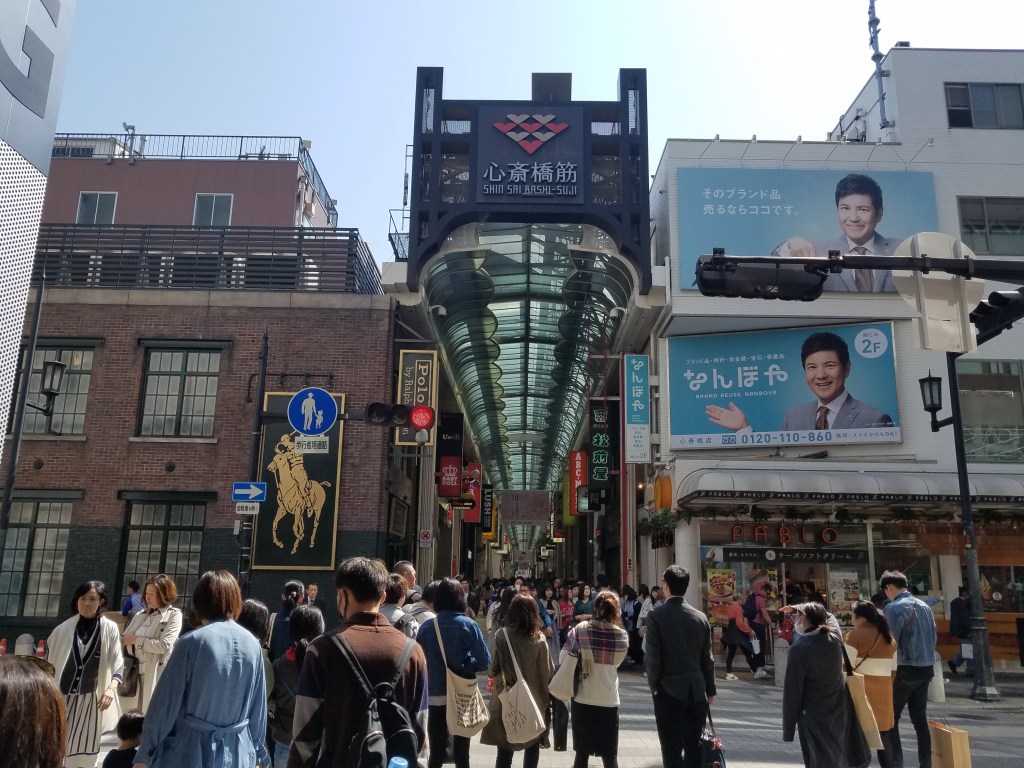
SHINSAIBASHI
Shinsaibashi, a covered shopping street located north of Dotonbori, is Osaka’s main shopping area.
TOKYO (3 DAYS)
SENSO-JI (ASAKUSA TEMPLE)
Senso-ji is an ancient Buddhist temple located in Asakusa. It is Tokyo’s oldest temple and one of its most significant. Nakamise-dori Street is the famous shopping street that leads up to Senso-Ji Temple. They sell all kinds of souvenirs, foods, and snacks like fresh kakimochi (rice crackers).

TSUKIJI OUTER MARKET
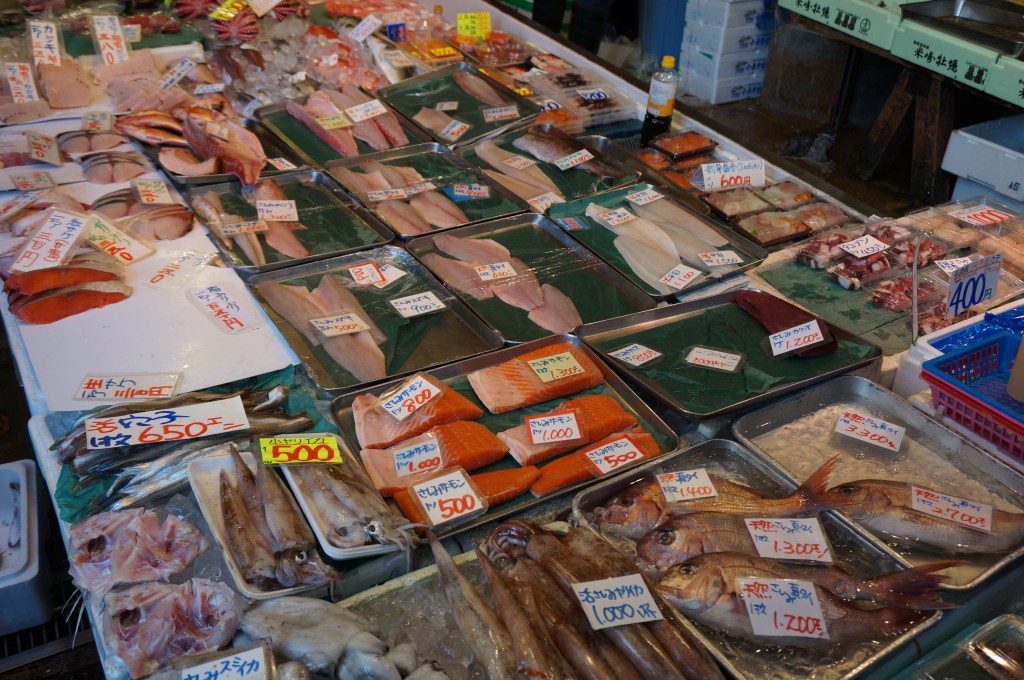
At Tsukiji Outer Market, you can find all kinds of traditional Japanese foods, including fresh seafood, dried foods such as bonito flakes, seaweed and green tea, wholesale and retail shops, and a lot of restaurants. The market is open between 5 a.m. and 2 p.m. but vary by shop. The early opening is for businesses so the best time to visit would be from about 9 a.m. They are closed on Sundays and national holidays. Some shops also close on Wednesdays.
AMEYOKO SHOPPING STREET
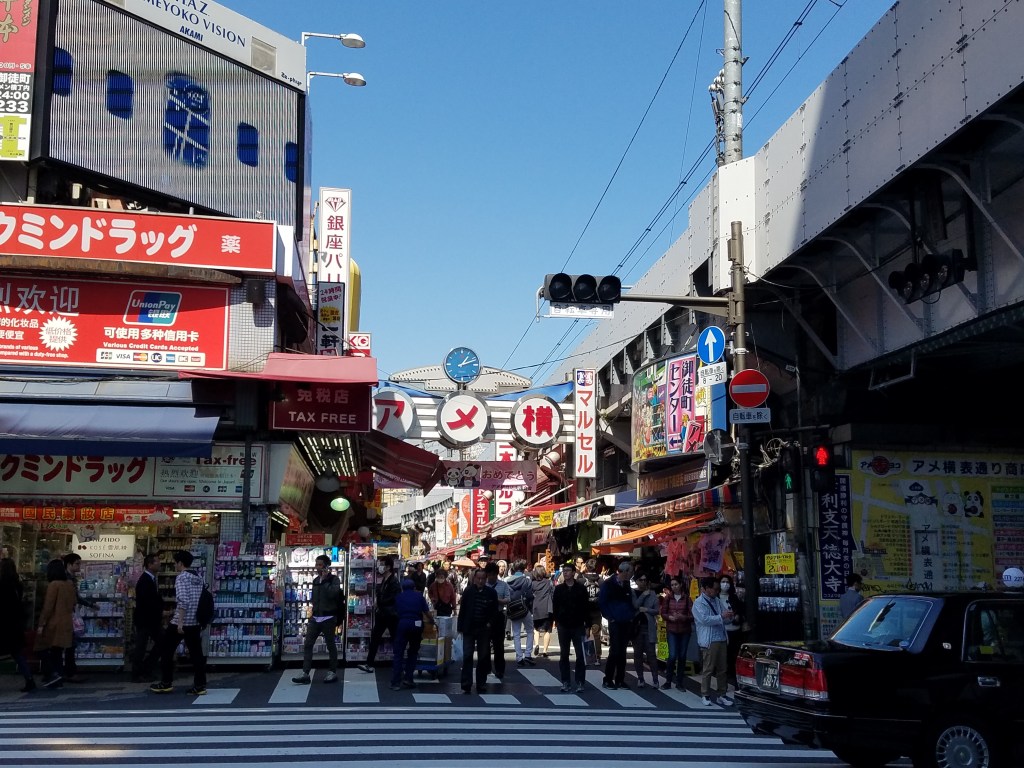
Ameyoko Shopping Street is a market, along the JR Yamanote Line, that sells candies, fresh fish, clothing and more. Look for shops with “tax free” signs and show your passport to shop tax free.
IKEBUKURO
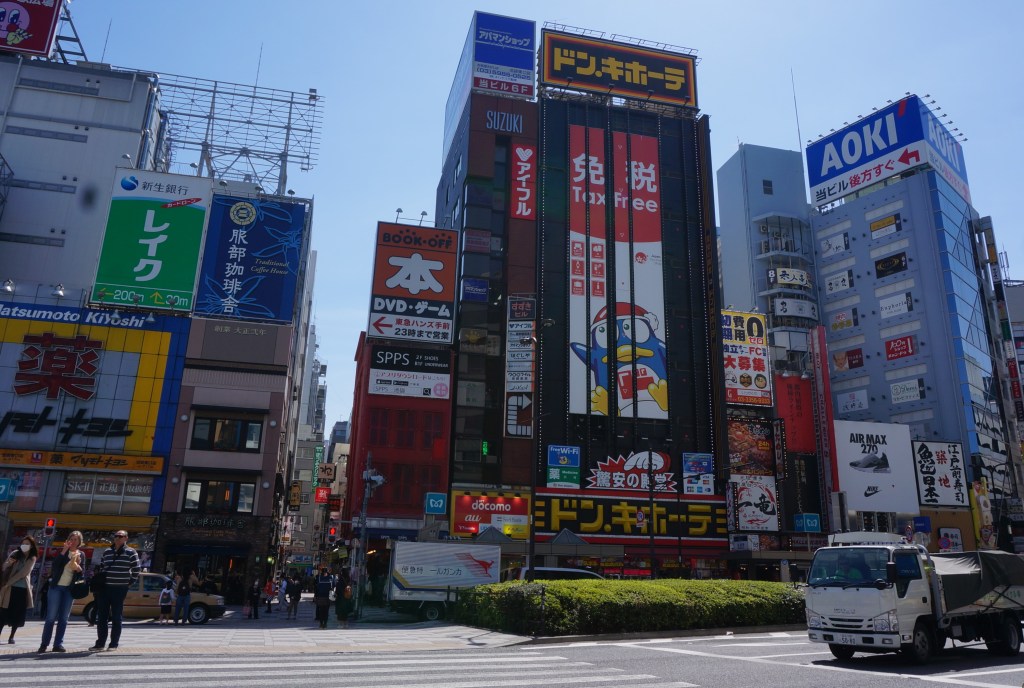
Ikebukuro is the entertainment district in Tokyo where you can find a lot of shopping and entertainment complexes. You can also find the Pokemon Center Mega Tokyo here.
ODAIBA
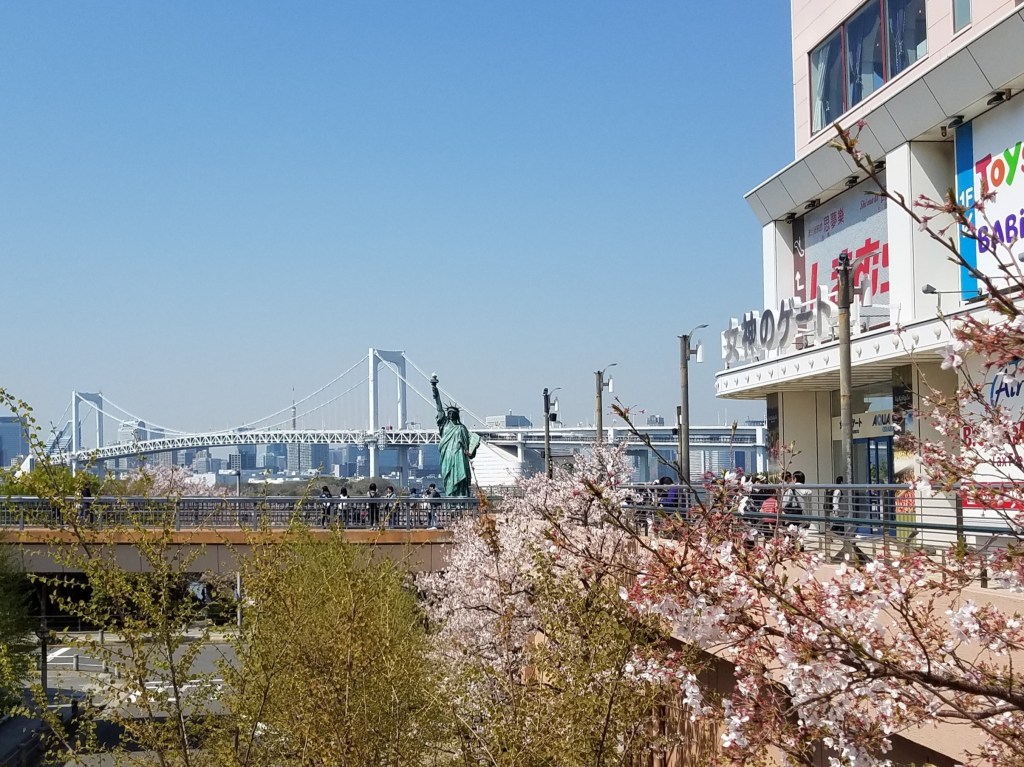
Odaiba is a man-made island in Tokyo Bay known for its shopping, dining, entertainment, and futuristic attractions.
AQUA CITY
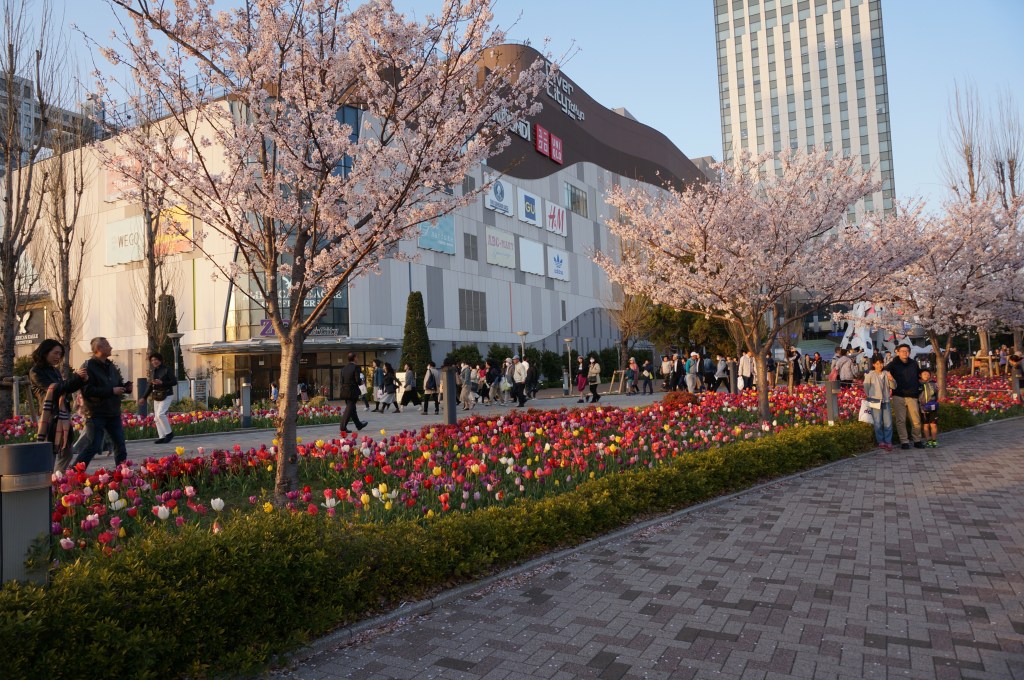
At Aqua City mall, there is a wide range of fashion, beauty, and souvenir stores. They also have a lot of cafes and restaurants for you to enjoy.
DIVERCITY TOKYO PLAZA
DiverCity Tokyo Plaza is one of Odaiba’s largest shopping malls with seven floors and a huge food court. The top floor is an entertainment complex with arcade games, karaoke rooms, and a bowling alley.

DECKS TOKYO BEACH
DECKS Tokyo Beach is a smaller mall with museums and indoor theme parks.
JOYPOLIS ARCADE
Tokyo Joypolis is an indoor amusement center, for adults and children, with rides and virtual reality experiences.
WHERE TO STAY
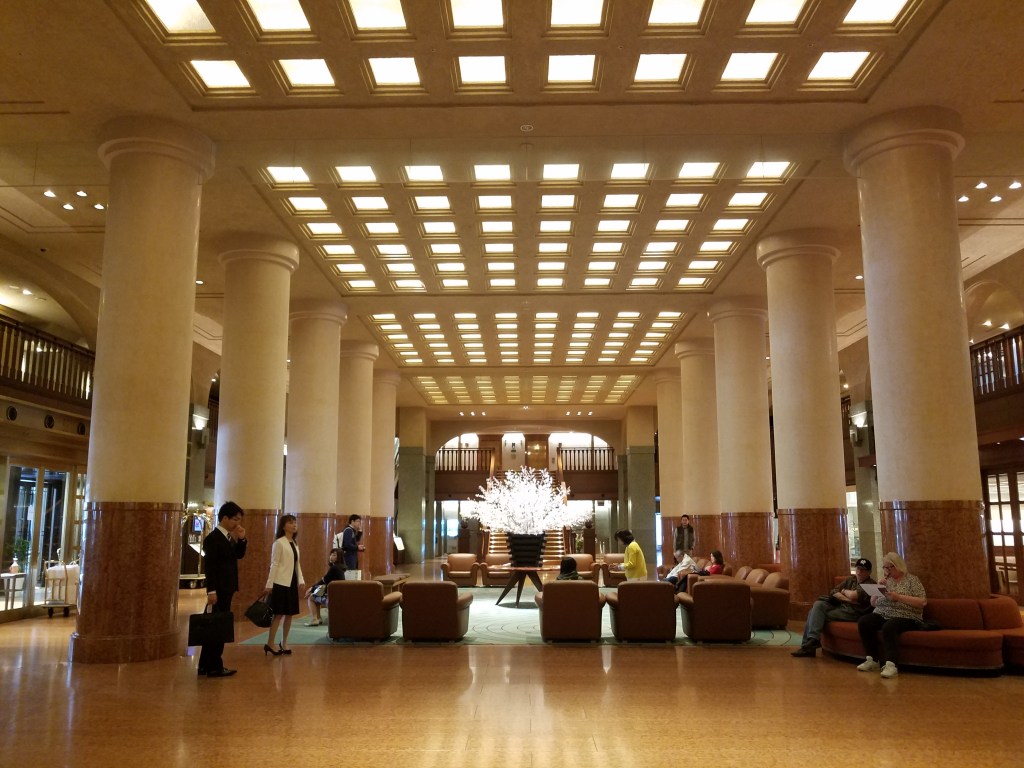
KYOTO HOTEL OKURA
Kyoto Hotel Okura, a luxury hotel located about 15 minutes from Kyoto Station.
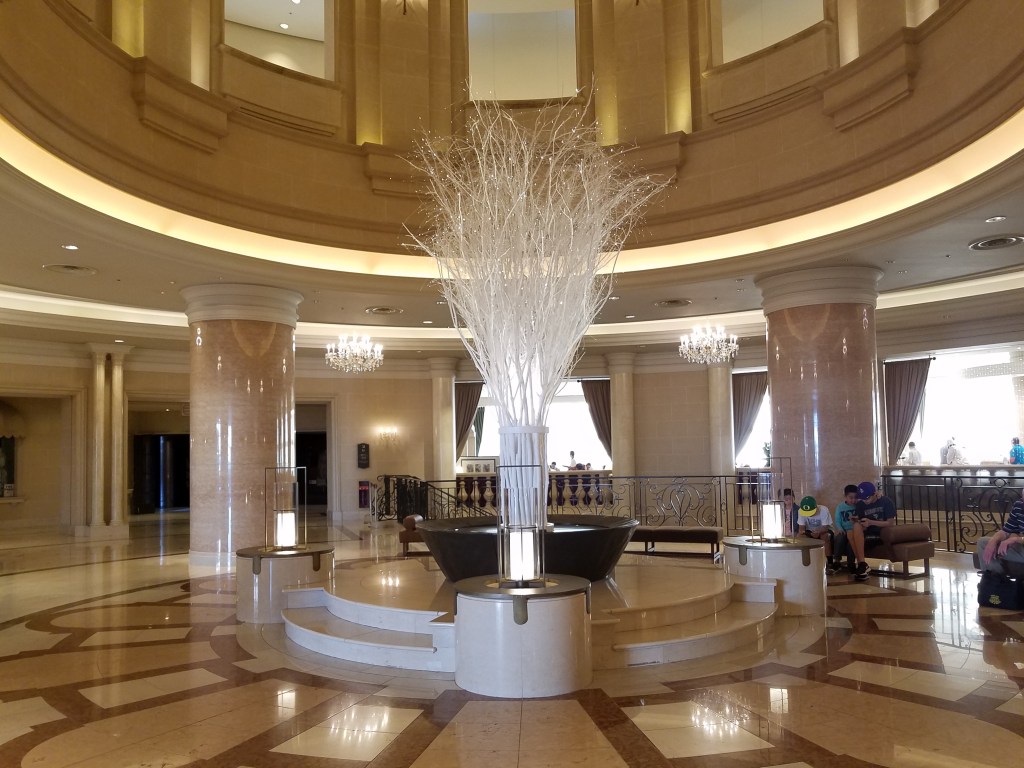
GRAND NIKKO TOKYO DAIBA
Grand Nikko Tokyo Daiba, a beautiful modern hotel located right next to Daiba Station.
TRANSPORTATION
The Japan Rail (JR) Pass is made for foreign visitors and is available for durations of 7, 14, or 21 days. It includes unlimited JR transportation (train, shinkansen, and local busses) throughout the country. You can also make seat reservations at no extra cost. Due to the price increase of the JR Pass, it may or may not be worthwhile. You may want to price out all your travels prior to purchasing it.
SHINKANSEN
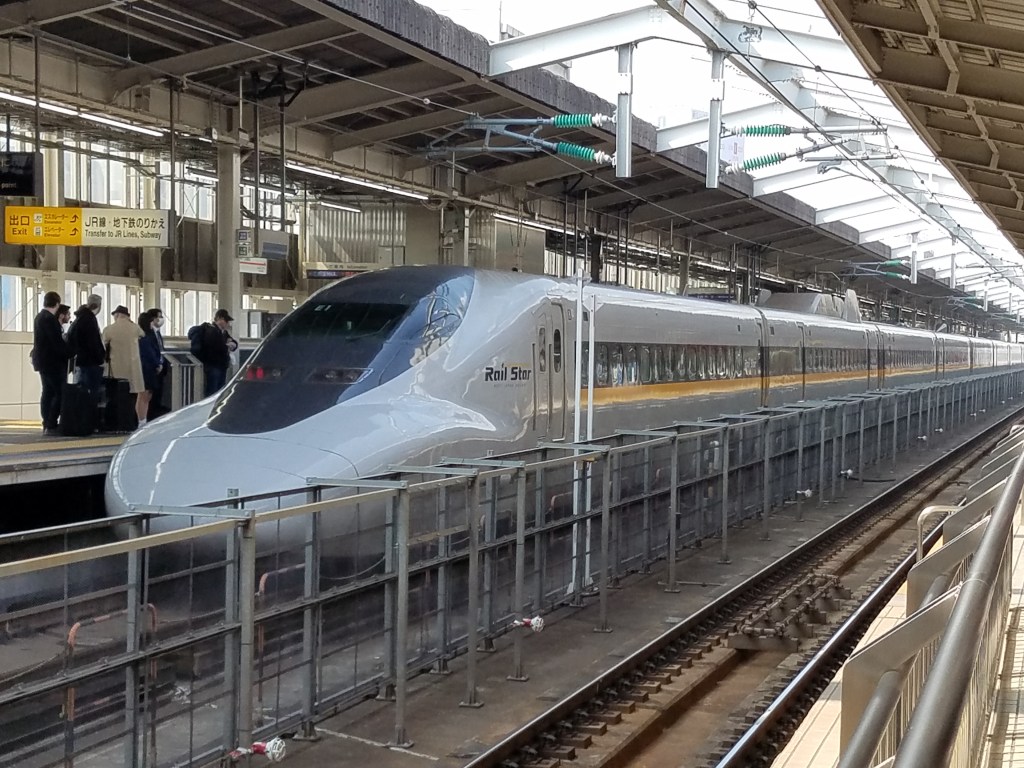
Each person is allowed two pieces of luggage on the Shinkansen. Shinkansen are always on time so be sure to take your seat before the departure time.
TOKYO TO KYOTO
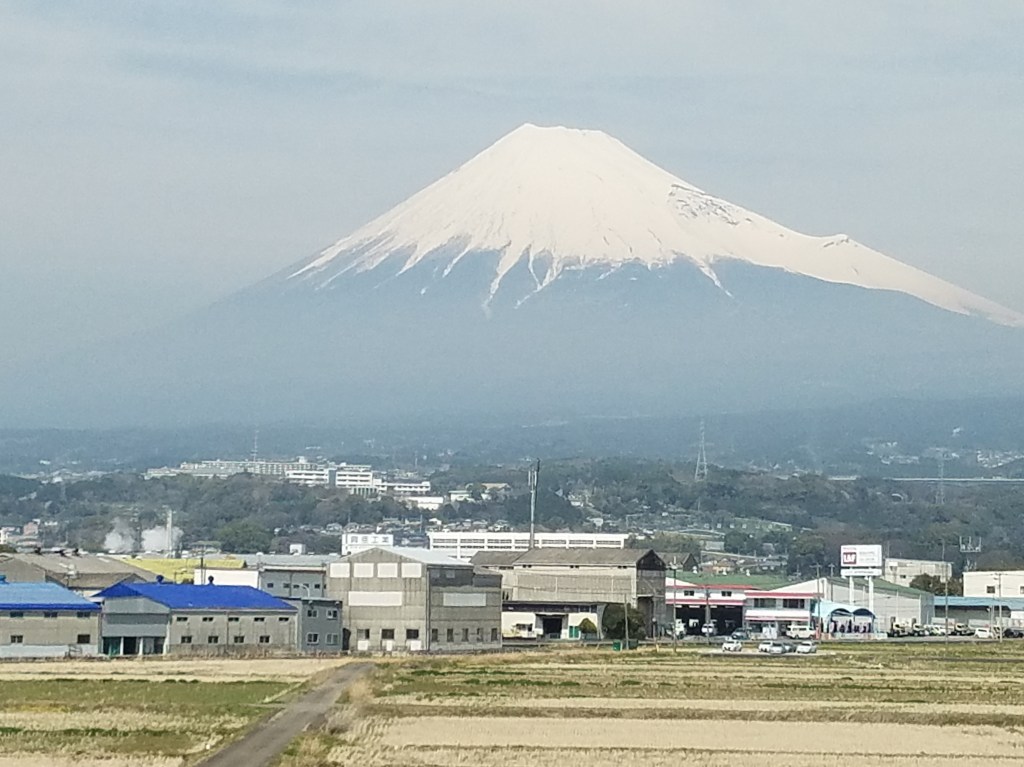
The fastest way to travel between Tokyo and Kyoto is by taking the NOZOMI Shinkansen on the Tokaido-Sanyo Shinkansen from Tokyo Station to Kyoto Station. The one-way trip takes about 2 hours and 15 minutes. Sit on the right side of the train from Tokyo for your chance to possibly see Mt. Fuji. The NOZOMI is included with the JR Pass but you will need an additional complimentary ticket to use together with the JR Pass. This can be done at Shinkansen ticket machines and at manned ticket counters.
KYOTO TO TOKYO
To get from Kyoto to Tokyo, you would take the same Shinkansen on the Tokaido-Sanyo Shinkansen. Sit on the left side of the train from Kyoto for your chance to possibly see Mt. Fuji. The one-way trip takes about 2 hours and 15 minutes.
TOKYO TO ODAIBA
For travel from Tokyo to Odaiba, take the Yurikamome Line from Shimbashi Station to Daiba Station. The one-way trip takes about 30 minutes.
LUGGAGE DELIVERY BETWEEN HOTELS
If you are staying at multiple hotels and will be sightseeing along the way, the Yamato Transport makes it convenient for you to travel from one destination to another. See your hotel receptionist to schedule the delivery of your luggage to your next destination. You may need to pack a light overnight bag as there is limited service for same day deliveries.
Happy Travels!
 BK Travel Collage